

Home » Commercial Property Loans » Hotel
Hotel Property Loans
Hotel property loans from $500k to $100m+.
Hotels, pubs, motels, management rights and caravan parks. Loans for investment, owner-occupier or refinancing. We help you get the right loan from over 60 lenders. Free consultation.
Current rates, LVRs and loan structures for hotel property finance
Hotel finance interest rates currently sit at 7.25% - 10.55% p.a. for established trading venues. We typically see rates at the upper end of that range for first-time operators or specialist sub-types like remote tourist properties, while 7.25% is generally reserved for prime metro freeholds with three or more years of strong trading.
A full snapshot of current LVRs, deposit ranges and loan terms is set out below. Last reviewed 5 May 2026.
- Interest rates 7.25% - 10.55% p.a.
- Loan term 1 - 20 years
- Repayment P&I or Interest-only
- Maximum LVR Up to 70%
- Typical LVR range 50% - 70%
- Deposit range 30% - 50%
- Loan range $500k – $100M+
- Settlement 17-28 days
- Lender panel 60+ specialist lenders
What our clients say
Every client works directly with Nadine. Here is what some of them said about the experience.
"Nadine assisted us with purchasing a property through a SMSF. Was always available, was always transparent and simply put, went above and beyond! A very happy client."
"She consistently went above and beyond to address our concerns. Thanks to her expertise and genuine care, we have been able to turn our dreams into reality. Nadine is the person you want on your side."
"So thorough, helpful and available. She guided us in depth through the entire loan process and helped us with all the paperwork from day one. I would recommend her highly for any business loan requirement."
"She guided us every step of the way and made things happen even when most lenders would not know how. She figured out how a company trading under one year could still borrow, which made all the difference."
"She helped me secure finance for a business acquisition and made the entire process seem easy. Her professionalism, attention to detail and willingness to go above and beyond were second to none."
"Honest communication and feedback throughout. Highly knowledgeable and experienced. She worked tirelessly to get an outcome for us. Will definitely be using them again. Highly recommend."
"Nadine was awesome, professional and proactive. I never would have thought the option she worked out for me would exist. Excellent results for my business financial needs. I highly recommend her."
"Nadine assisted us with purchasing a property through a SMSF. Was always available, was always transparent and simply put, went above and beyond! A very happy client."
"She consistently went above and beyond to address our concerns. Thanks to her expertise and genuine care, we have been able to turn our dreams into reality. Nadine is the person you want on your side."
"So thorough, helpful and available. She guided us in depth through the entire loan process and helped us with all the paperwork from day one. I would recommend her highly for any business loan requirement."
"She guided us every step of the way and made things happen even when most lenders would not know how. She figured out how a company trading under one year could still borrow, which made all the difference."
"She helped me secure finance for a business acquisition and made the entire process seem easy. Her professionalism, attention to detail and willingness to go above and beyond were second to none."
"Honest communication and feedback throughout. Highly knowledgeable and experienced. She worked tirelessly to get an outcome for us. Will definitely be using them again. Highly recommend."
"Nadine was awesome, professional and proactive. I never would have thought the option she worked out for me would exist. Excellent results for my business financial needs. I highly recommend her."
Types of hotel and accommodation property we finance
We arrange finance across the full spectrum of Australian hospitality property — from metropolitan hotel towers to regional motels and management rights businesses. Each sub-type has its own lender appetite, and the right match usually determines the rate.
Hotels, pubs & licensed venues
Freehold and leasehold hotels and pubs, with or without gaming. Lenders assess liquor licence structure, gaming revenue and operator experience — specialist lenders typically expect three or more years of relevant experience for freehold purchases.
Motels & budget accommodation
Motels, motor inns and backpacker hostels — the most common first-time hotel purchase with simpler trading structures than large hotels. Lenders focus on occupancy consistency, ADR trends and seasonal demand patterns.
Serviced apartments, boutique & B&B
Smaller operator-run properties with clear positioning often access competitive terms from specialist hospitality lenders. For B&B purchases, lenders examine owner-operator experience carefully and treat the property as a lifestyle business.
Management rights & holiday parks
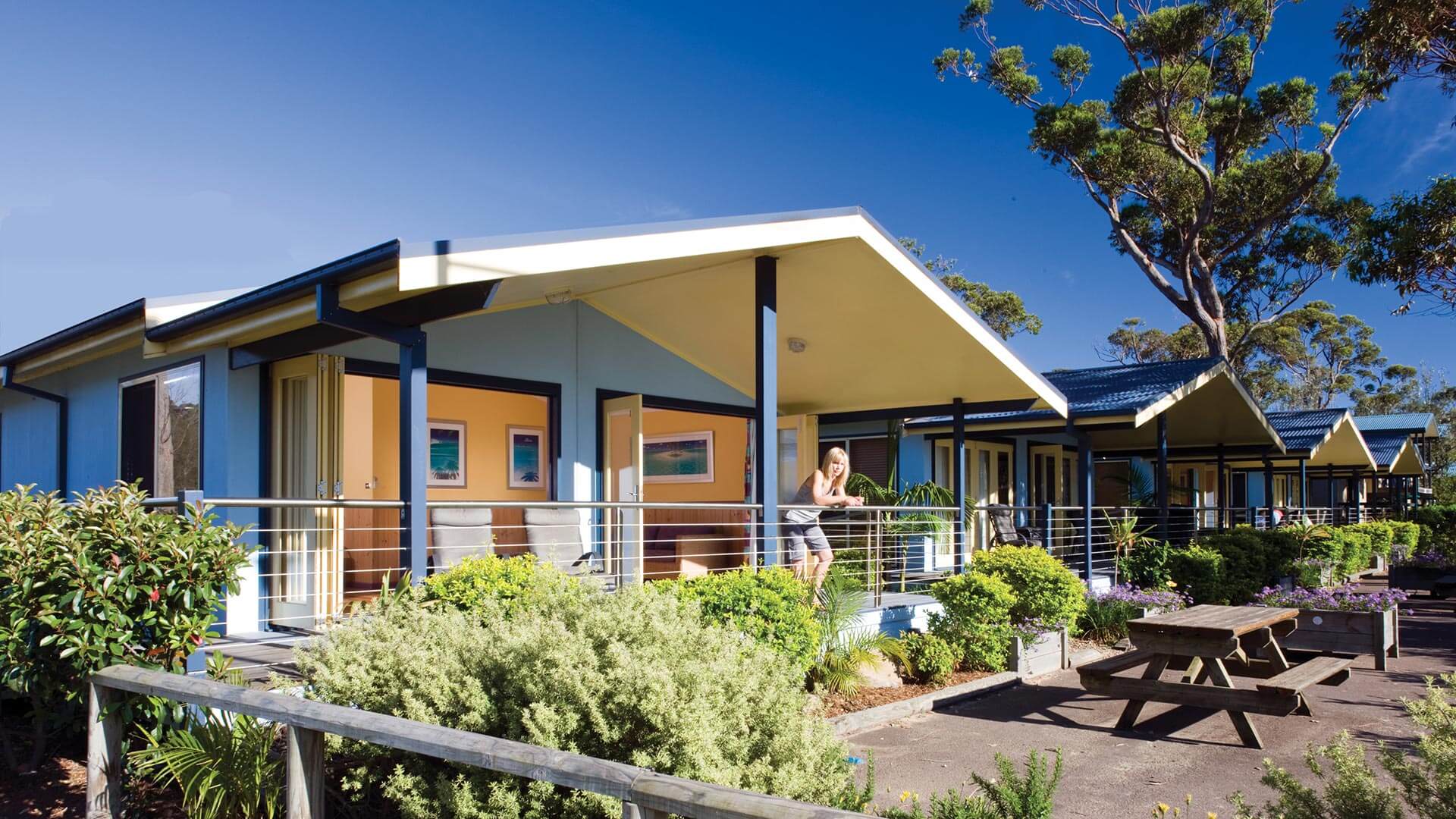
Hybrid property-and-business purchases assessed differently again. For management rights, letting pool composition and agreement term matter most. For holiday parks, site mix and permanent-vs-tourist occupancy drive the assessment.
Owner-operator or investor: which structure applies to your hotel finance?
You're an owner-operator if you're buying the property and running the business yourself, and an investor if you're buying the property with an operator running the business under lease. The distinction shapes your lender pool, deposit position, and pricing — owner-operator deals draw from specialist hospitality lenders willing to underwrite operating-business risk, while investor deals access broader commercial lenders that rely on the lessee's covenant strength.
| Attribute | Path 1 Owner-operator | Path 2 Investor |
|---|---|---|
| Operator experience | 3+ years preferred; first-time buyers possible with a credible general manager | Not required from you; the lessee carries the operator role |
| Trading figures assessed | Vendor's trailing 2–3 years plus your forward forecasts | Lessee's trading history and lease covenant strength |
| Lender pool | Specialist hospitality lenders who underwrite operating-business risk | Broader commercial lenders, plus hospitality specialists for stronger lessees |
| Best suited for | Buyers running the venue themselves with hands-on hospitality experience | Passive investors holding hospitality property with established operating tenant |
What lenders look for in a hotel finance application
Eligibility for hotel property loans is broader than credit and cash flow alone. Because lenders underwrite the trading business alongside the property, your background and the structure of the deal matter as much as your balance sheet. Five factors drive most decisions, and the quick check gives an indicative view of where you sit across each one.
-
01
Deposit size Most hotel lenders expect 35% or more, with freehold gaming venues landing in the 35–45% range and leasehold deals requiring more.
-
02
Property type Lender appetite varies significantly between hotels, pubs, motels, serviced apartments and management rights.
-
03
Ownership structure Freehold versus leasehold, with or without gaming. This changes which lenders will even consider the deal.
-
04
Operator experience Specialist lenders prefer three or more years in a relevant operating role, though first-time buyers with credible general managers can still secure finance.
-
05
Trading history and normalised EBITDA Clean two-year trading figures with consistent occupancy and revenue are the strongest indicator a lender will price competitively.
Quick eligibility check
Five questions, takes about 30 seconds
Do you have a 30–50% deposit for your hospitality property?
This can be cash, equity in existing property, or a guarantor. Gaming venues and experienced operators may achieve better LVRs.
What type of hospitality property are you financing?
Different property types have varying lending criteria and LVR limits.
Is this a freehold or leasehold purchase?
Ownership structure significantly impacts LVR and the lenders that will consider the deal.
Do you have hospitality industry experience?
Lenders prefer three or more years as a publican or hospitality operator. Experience significantly impacts approval.
Does the business have a strong trading history?
Lenders assess revenue, gaming takings, occupancy rates and profitability.
Hotel property finance assessment
Analysing your hotel property finance eligibility...
How hotel property loans work in Australia
A hotel loan combines two forms of lending in one. Understanding how lenders weigh the property against the operating business is how buyers win better terms.
A hotel loan is two loans, not one
Hotel lending is unusual in Australian commercial finance. Unlike office, industrial, or retail loans, hotel lenders underwrite the real estate and the operating business in parallel, and they weight the trading side heavily. Two seemingly comparable hotels at the same purchase price can attract very different rates and LVRs depending on what the trading figures look like.
What lenders look at, and why it's different to office or retail
Trading side
- RevPAR (revenue per available room)
- ADR (average daily rate)
- Occupancy trends across 2 to 3 years
- Normalised EBITDA
- Brand affiliation (Accor, IHG, Choice, independent)
Property side
- Location and catchment
- Building condition and refurbishment cycle
- Freehold land value and comparable sales
- Alternative use potential
- Title structure (freehold vs leasehold)
The property value sets a ceiling on what can be lent. The trading performance determines how close to that ceiling you actually get. A well-located motel with declining occupancy will price worse than an average suburban property with three years of clean, growing revenue.
Why the way you present trading figures changes your terms
Most hotel buyers lose 0.5 to 1% on their rate, or a whole LVR tier, before they ever speak to a lender.
Vendors present hotels using their reported P&L, and buyers submit those same figures to lenders without normalising them. But lenders don't underwrite reported earnings. They underwrite normalised EBITDA: earnings stripped of one-off items, related-party rent, owner-family wages, and non-recurring revenue lines that won't survive the change of ownership.
A motel showing $850,000 in reported EBITDA might normalise to $620,000 once a market-rate manager's salary and realistic R&M are factored in. Or it might normalise up to $950,000 if the current owner has been paying themselves a generous salary and underinvesting in marketing. Either way, the figure that lands in the lender's serviceability calculation is the normalised number, and the buyer who arrives with that number already calculated, defensible, and presented alongside the vendor figures wins better terms.
"The buyers who get the best deals aren't the ones with the strongest balance sheets. They're the ones whose submission tells the lender exactly what they need to see, in the format they need to see it."
Nadine Connell
How the same business looks to a vendor versus a lender
A typical regional motel. The numbers are illustrative; the gap between them is real.
What might be inside the $230,000?
- Manager's salary, market rate The current owner runs the venue themselves and doesn't pay a manager. A new owner usually will.
- Realistic R&M and capex Underspending on maintenance to lift this year's profit. Lenders adjust to a normal cycle.
- Non-recurring revenue One-off insurance recoveries, government support or contracts that ended with the previous owner.
Numbers are illustrative for clarity. Real adjustments depend on the property, the trading history and the lender. We work through this with you before any submission.
What are the most common hotel finance application mistakes?
Four patterns I see repeatedly across hotel finance deals, and how to avoid them. Each one typically costs buyers a rate margin or a whole LVR tier — both avoidable with the right preparation before the lender ever opens your file.
Underestimating the deposit on gaming venues
Buyers often plan for a 30% deposit and learn at submission that the lender wants 40–45% for a freehold pub with gaming. By that point the contract is usually signed, the timeline is tight, and re-structuring the deposit becomes the constraint instead of the deal.
Approaching the wrong lender for the property type
A motel or management rights deal sent to a generalist commercial lender takes twice as long and prices around 1% worse than the same deal sent to a specialist hospitality lender. The lender pool matters as much as the strength of the deal.
Ignoring liquor licence transfer timing
Settlement timing depends on the licence transfer, not the lender’s approval. Coordinating the state regulator, your solicitor, and the lender from week one prevents the kind of settlement-date pressure that can cost a buyer their deposit or the property altogether.
Treating regional and metropolitan hotels as the same financing proposition
Regional hospitality property attracts narrower lender appetite than metropolitan equivalents. Lenders that write metro hotel deals comfortably will decline regional purchases that look comparable on paper, particularly properties dependent on a single industry or seasonal tourism patterns. The deal needs structuring for the right lender pool from the very first conversation.
Estimate your hotel finance borrowing power
An indicative calculation based on the figures you enter. Final terms depend on full lender assessment.
Disclaimer: This calculator is provided for illustration purposes only and does not constitute financial advice or a loan offer. Calculated figures are estimates only, may be inaccurate, and do not reflect actual lender terms or fees. Actual loan amounts, rates, repayments, and eligibility will vary based on your specific circumstances and lender assessment. Do not base any financial decisions on this calculator. Contact our team for a tailored quote.
Ready to discuss your hotel finance options?
Book a free consultation. I'll work through your specific deal, talk you through the lender options, and give you a clear view of where you stand. No obligation. No upfront fees.
Nadine Connell Director · MFAA Accredited
Over 60 business lenders. One specialist broker.
Our lending panel includes major banks, regional banks, specialist non-bank lenders, and private credit providers, including lenders who only deal through accredited brokers directly.
How major banks, non-bank lenders and private capital differ for hotel finance
The right lender type depends as much on your circumstances as on the property itself. Each category brings different strengths and different trade-offs to a hotel finance deal.
Feature |
Major Banks
|
Non-Bank Lenders
|
Private Capital
|
|---|---|---|---|
Interest-only periods |
Up to 3 years |
Up to 5 years |
Full term available |
Approval timeframe |
6–10 weeks |
4–6 weeks |
1–3 weeks |
Operator experience requirements |
Strict. Three or more years preferred |
Flexible. First-time buyers considered with strong management |
Case-by-case based on deal structure |
Trading history requirements |
Strict. Typically two to three years of clean trading |
Flexible. Shorter trading histories accepted |
Projections and turnaround stories considered |
Refurbishment and capex finance |
Limited within standard terms |
Available with structured drawdowns |
Available with bespoke staging |
Settlement and licence coordination |
Standard process, lender-driven timeline |
Specialist hospitality desks coordinate licence transfer |
Bespoke. Fully tailored to deal complexity |
Loan term |
Up to 25 years |
Up to 25 years |
1–5 years typical |
Best suited for |
Strong trading and established operators |
First-time buyers, complex deals, leasehold purchases |
Speed, complex structuring, bridging finance |
How do I apply for hotel finance?
Hotel finance applications run through three phases: initial consultation and structure review, lender market approach with negotiated indicative terms, then formal application through to settlement. The full process typically takes 6 to 12 weeks for major bank deals, 4 to 8 weeks for specialist hospitality lenders, and as little as 2 to 3 weeks for private capital where speed is essential.
-
1
Free consultation
Call 1300 262 098. We discuss the property, your operator background, your funding position, and the structure that suits the deal best.
-
2
Lender market review
We approach the lenders actively writing your deal type, normalise the trading figures, negotiate rates and indicative terms.
-
3
Application and settlement
We coordinate the formal application (including valuation), and every step from loan application through to a successful settlement.
Documentation typically required
We'll let you know exactly what's needed for your specific deal. Most hotel finance applications need the following:
The property and business
- Sale contract and property details
- Vendor's trading P&L (2–3 years)
- Liquor licence and gaming entitlements
- Lease agreement (if leasehold)
- Recent property valuation
You as the borrower
- Operator CV and hospitality experience
- Personal financial statement
- Last two years of personal tax returns
- Existing entity financials (if applicable)
- Business plan and forward forecasts
Hotel finance questions, answered
The questions buyers most often ask me about hotel, pub, motel and management rights finance in Australia.
Eligibility and deposit
How much deposit do I need for a hotel property loan in Australia?
Most hotel finance lenders expect a deposit of 30% - 50% of the purchase price, depending on the property type and how the loan is structured. From the deals I write, freehold gaming venues typically sit at the lower end of that range, while leasehold purchases and venues without gaming generally need more. Your operator experience and the strength of the trading figures also influence where you land.
A deposit doesn't have to be cash. I regularly structure hotel finance applications using equity in another property, or a mix of cash and equity. Where you've got an experienced general manager in place but limited personal hospitality experience, several specialist lenders will still consider the application with a stronger deposit position. We work through the deposit structure with you before approaching any lender, so the application is positioned for the best outcome possible. If this is your first commercial purchase of any type, our first-time commercial buyer guide covers the wider deposit landscape, or book a free consultation to talk through your specific deal.
Do I need hospitality experience to qualify for a hotel loan?
Most specialist hotel lenders prefer to see three or more years of relevant operating experience in hospitality, particularly for freehold going-concern purchases of pubs and licensed venues. Lenders want confidence that you can run the venue once the previous owner walks out the door.
That said, first-time buyers can absolutely secure hotel finance. I've written deals for buyers with no direct hospitality experience by naming a credible general manager in the application and demonstrating relevant adjacent experience, like multi-site retail or operations management. The application has to address the experience gap directly rather than hope the lender doesn't notice.
For investor purchases where the property is leased to an experienced operator, your personal hospitality experience matters far less. In that case, lenders focus on the lessee's trading history and the strength of the lease covenant. Your background determines which path of hotel finance you fit into more naturally; we cover the owner-occupier versus investor distinction in detail above, and our dedicated owner-occupier loan and commercial investment loan pages walk through the broader implications of each.
What credit history do hotel lenders require?
Hotel lenders expect a clean credit history, with no recent defaults, court judgments, or current ATO arrears. Minor historical issues that have been resolved are usually fine if you can explain them clearly; the cleanliness of your business and personal banking, including ATO and superannuation compliance, is one of the first things a credit assessor looks at. For more complex credit positions, I work with several non-bank and private capital lenders who bring far more flexibility than the major banks, and I structure the application to address concerns upfront rather than letting them surface mid-assessment. Some clients also explore secured or unsecured business loans as a working capital bridge if hotel finance terms tighten.
Property types and structure
Can I finance a pub with gaming machine entitlements?
Yes. Pubs with gaming entitlements are one of the most actively financed hospitality categories in Australia, and several lenders consider them their preferred segment. Gaming venues generally attract better LVR treatment than non-gaming pubs because the gaming revenue is a relatively predictable cash flow stream once licence conditions are met.
Gaming finance does bring extra layers though:
- Gaming machine entitlements (GMEs): how many you're acquiring, their value, and any transfer restrictions.
- Liquor licence conditions: trading hours, harm minimisation requirements, and whether the licence transfers cleanly with the venue.
- State-specific transfer requirements: Queensland, NSW and Victoria each handle gaming licences and entitlements differently.
The timing dependencies between settlement and licence approval need careful coordination. Information on state regulators including Liquor & Gaming NSW and the Victorian Gambling and Casino Control Commission is publicly available, and I coordinate the regulatory work alongside your solicitor as part of the application.
How does management rights finance work?
Management rights finance is a hybrid property and business loan. You typically buy the manager's residence (or office unit) plus the right to operate the letting pool for a set term, and lenders assess both components together. The composition of the letting pool, the remaining term of the management agreement, and your accommodation management experience all feed into the assessment.
Specialist lenders for management rights often offer better terms than generalist commercial lenders, because they understand the unique cash flow profile and the body corporate dynamics. I work with several lenders who specifically target the management rights segment along the Queensland Gold Coast and Sunshine Coast, where most of the national management rights market is concentrated.
Can I finance a regional hotel or motel?
Yes, although regional hospitality property attracts narrower lender appetite than metropolitan equivalents. Lenders weigh location, catchment, and economic stability heavily for regional hotels, and properties dependent on a single industry or seasonal tourism get scrutinised more closely. Motels in solid regional centres with consistent occupancy are well supported by specialist lenders.
For more remote properties or those reliant on international tourism, the lender pool narrows further, and non-bank or private capital options may suit the deal better. Tourism Research Australia publishes regional visitor and occupancy data that's worth reviewing alongside the property's trading history; lenders take this kind of independent context into account when assessing the deal.
I track which lenders are actively writing regional hospitality each quarter, so we approach the right ones rather than wasting weeks on lenders whose appetite has tightened. Our commercial property market reports track lender appetite and yield trends across major Australian markets.
Trading figures and assessment
What trading history do lenders need to see for a hotel loan?
Most specialist hotel lenders want to see two to three years of trading figures for the property you're buying, presented as both the vendor's reported P&L and a normalised view. Consistent or rising RevPAR, ADR, occupancy and EBITDA across that period is the strongest signal of a well-run property.
Where trading is shorter or has been disrupted, a credible explanation and a forward forecast carries weight. I've placed deals with as little as eighteen months of trading where the buyer brought genuine operator experience and a clear forecast that lenders could pressure-test against industry benchmarks.
The way the trading figures are presented matters as much as the figures themselves. I work through the vendor's numbers with you, prepare a defensible normalisation, and submit both views side by side so the lender's serviceability calculation runs on the right figure. To stress-test how trading figures translate into deal economics, our commercial property cash flow calculator and yield calculator can help you model scenarios before submission.
How do lenders treat seasonal trading patterns?
Seasonal trading is well understood in hospitality lending, particularly for motels in tourist regions and holiday parks. Lenders look at the full annual cycle rather than peak-month performance, and assess whether the trough months still service the loan comfortably. Properties with strong shoulder seasons and diversified revenue streams typically receive better treatment than those with extreme peak-and-trough patterns; properties that depend almost entirely on a short peak season are scrutinised more carefully, and the LVR offered is usually lower. I help model the seasonal profile properly before the deal is submitted, so the lender sees a clear picture of cash flow timing, and operators managing seasonal cash flow alongside the property loan often benefit from complementary facilities like invoice finance or equipment finance for refurbishment work.
Process and costs
How long does a hotel finance application take?
A typical hotel finance application runs six to twelve weeks from initial conversation to settlement, although the timeline varies considerably by lender type and deal complexity. Major banks generally take longer due to their formal credit committee processes, while specialist non-bank lenders can move faster on straightforward deals. Private capital can settle in as little as two to three weeks where the deal genuinely demands speed.
The timing of any liquor licence transfer or gaming entitlement approval can be the constraining factor rather than the lender. Coordinating those timelines with the lender, your solicitor, and the relevant state regulator is part of what I manage on your behalf throughout the process. The detailed step-by-step is in the how to apply section above; if you're weighing up which type of facility suits your deal best, our commercial property loan types page covers the trade-offs.
What fees should I expect on a hotel property loan?
Hotel finance fees typically include an application fee, a valuation fee, legal fees, and lender establishment costs. The total upfront cost generally runs between 1% and 2.5% of the loan amount, depending on the lender and the complexity of the deal. Specialist hospitality valuations tend to be more expensive than standard commercial valuations because the valuer is assessing both the property and the operating business.
For ongoing costs, most hotel loans carry annual review fees and may include line fees on any unused facility. I provide a full cost comparison across the lender panel before you commit, so the headline rate isn't the only number driving your decision. If you're refinancing rather than purchasing, the fee structure looks different again — see our commercial property loan refinance page for the breakdown, or get in touch to walk through your specific deal.
More commercial property finance options
Hotel and accommodation property buyers are typically investors chasing yield, owner-operators running boutique hospitality, or institutional buyers acquiring branded operations. Below are the property types most relevant to hotel buyers and the next set of decisions hospitality investors face.
Related property types
Hotels sit within a cluster of consumer-facing operational specialty assets where operator history and going-concern value drive lender assessment.
More to consider
The next set of decisions hotel investors face — loan structure (typically investment or SMSF), the two key Australian hospitality markets, and the yield tooling we point hotel investors to first.
Have a question? Just ask
Book a free, no obligation chat with our commmercial lending experts, or call 1300 262 098 to speak to our team.