

Aged Care Property Loans Australia

Aged care property loans from $500k to $100m+

Specialist lending for residential aged care facilities, greenfield development and brownfield refurbishment. Loans for purchase, construction or refinance from 60+ lenders. Free consultation.

Aged Care Commercial Property Loans
On this page
Finance Overview

Current rates, LVRs and loan structures for aged care property loans

A snapshot of the key numbers for Australian residential aged care facility loans. Last reviewed 5 May 2026.

Finance Rates
  • Interest rates 6.90% - 9.80% p.a.
  • Loan term 1 - 25 years
  • Repayment P&I or Interest-only
LVR & Deposits
  • Maximum LVR Up to 75%
  • Typical LVR range 60% - 75%
  • Deposit range 25% - 40%
Loan Amounts
  • Loan range $500k – $100M+
  • Settlement 17-28 days
  • Lender panel 60+ specialist lenders

All information is general guidance only. Your actual rates and terms may differ. Not financial advice. Please read our important disclaimer.

What we finance

Types of aged care property we finance

We arrange finance across the full spectrum of Australian residential aged care property — from established going-concern facilities to greenfield developments, brownfield refurbishments and refinancing of stabilised assets. Each deal type has its own lender appetite, and the right match usually determines the rate.
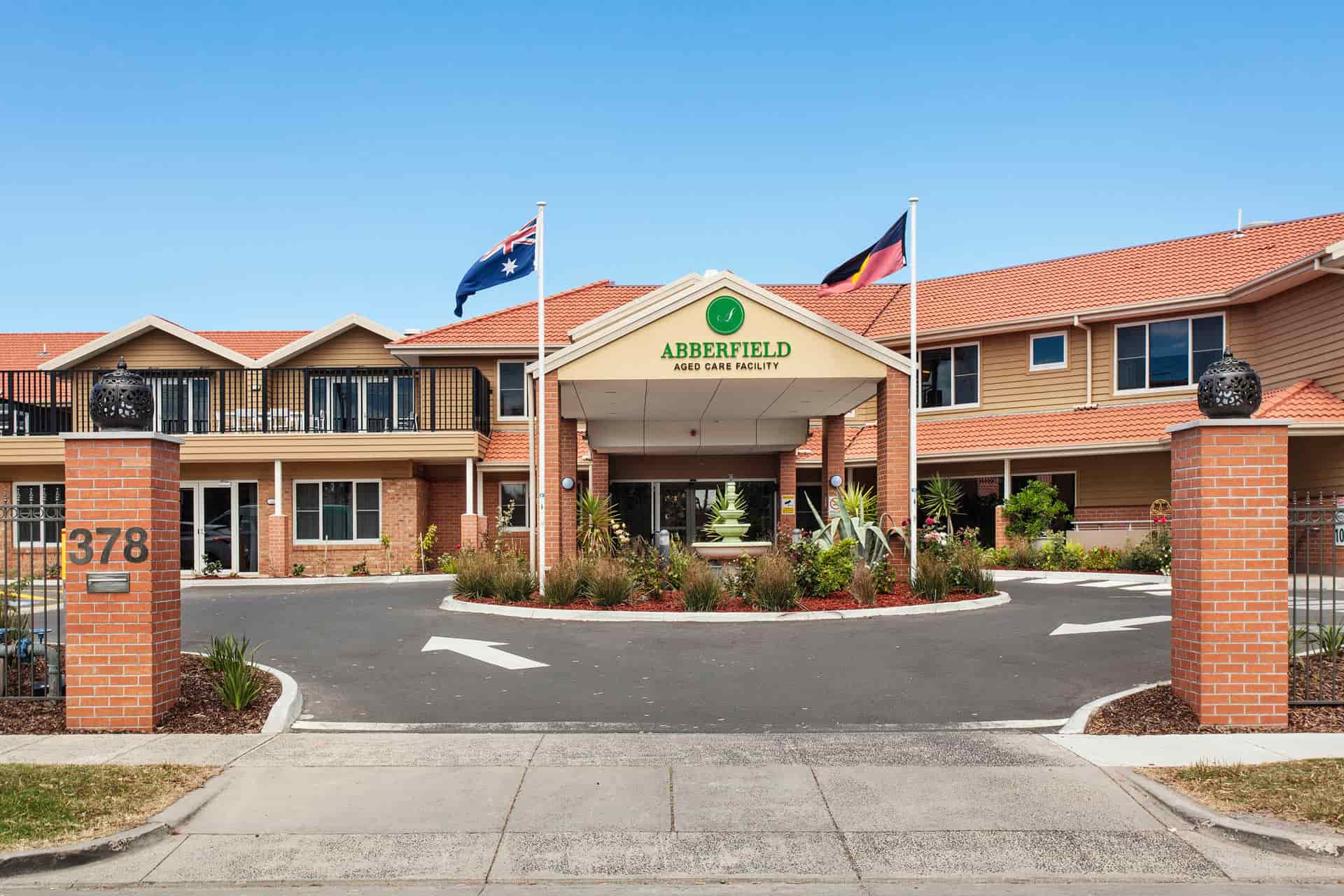
Residential aged care facility financed by Smart Business Plans

Residential aged care facilities (RACFs)

Going-concern operating facilities, freehold or leasehold. Lenders assess ACQSC accreditation status, AN-ACC funding profile and RAD pool stability alongside operator experience — typically five or more years in regulated care for first-time facility buyers.

Greenfield aged care development financed by Smart Business Plans

Greenfield aged care development

New-build aged care facilities, typically funded across two stages: a construction facility followed by going-concern takeout once the property is stabilised. Lenders look closely at operator agreements, pre-leasing arrangements and the demographic case for the catchment area.

Brownfield aged care refurbishment financed by Smart Business Plans

Refurbishment & extension (brownfield)

Capex finance for adding wings, modernising or upgrading to meet ACQSC standards. Most facilities continue trading during works, so lenders model cash flow during construction, compliance milestones and the post-works EBITDARM uplift the project is expected to deliver.

Refinancing of an existing aged care facility financed by Smart Business Plans

Refinancing existing aged care facilities

Refinancing stabilised aged care facilities for better terms, capital release or debt restructure. RAD pool stability, AN-ACC funding track record and the operator's compliance history drive both rate and LVR — well-presented existing operators often achieve materially better terms than at original purchase.

What our clients say

Every client works directly with Nadine. Here is what some of them said about the experience.

★★★★★
"Nadine assisted us with purchasing a property through a SMSF. Was always available, was always transparent and simply put, went above and beyond! A very happy client."
Sammy Annous Google Review
★★★★★
"She consistently went above and beyond to address our concerns. Thanks to her expertise and genuine care, we have been able to turn our dreams into reality. Nadine is the person you want on your side."
Karina Cope Google Review
★★★★★
"So thorough, helpful and available. She guided us in depth through the entire loan process and helped us with all the paperwork from day one. I would recommend her highly for any business loan requirement."
Neeru Sharma Google Review
★★★★★
"She guided us every step of the way and made things happen even when most lenders would not know how. She figured out how a company trading under one year could still borrow, which made all the difference."
Andro Tomas Google Review
★★★★★
"She helped me secure finance for a business acquisition and made the entire process seem easy. Her professionalism, attention to detail and willingness to go above and beyond were second to none."
Dale Smith Google Review
★★★★★
"Honest communication and feedback throughout. Highly knowledgeable and experienced. She worked tirelessly to get an outcome for us. Will definitely be using them again. Highly recommend."
Chris and Renee Dwyer Google Review
★★★★★
"Nadine was awesome, professional and proactive. I never would have thought the option she worked out for me would exist. Excellent results for my business financial needs. I highly recommend her."
Imay Gs Google Review
First-time provider vs established operator

How your operator profile shapes your aged care property finance terms

Aged care lenders treat first-time providers (entering the sector with your first facility, typically through a named clinical partner) and established operators (existing Approved Providers expanding or refinancing) as fundamentally different propositions. The path you're on shapes lender appetite, deposit position, and the pricing you can access.

Attribute Path 1 First-time provider Path 2 Established operator
Operator profile No prior aged care operating experience required, but a credible clinical partner or operations manager named in the deal is essential. Approved Provider application typically runs alongside the finance process. Active Approved Provider status with three or more years operating one or more facilities. Existing AN-ACC funding history and ACQSC compliance record are reviewed.
Trading figures assessed Vendor's trailing 2–3 years P&L plus your forward EBITDARM forecast and operator agreement with your named clinical or operations partner. Vendor's P&L plus your existing facility track record, portfolio cash flow position, and demonstrated AN-ACC management capability.
Lender pool Narrower — specialist healthcare lenders only. Typically requires a named clinical partner or operations manager to unlock the pool. Broader — major banks' healthcare desks plus specialists. More competitive pricing on otherwise similar terms because of the operator track record.
Best suited for Healthcare professionals entering aged care with their first facility; investor-operators consolidating with named clinical leadership. Approved providers expanding their portfolio, refinancing stabilised facilities, or undertaking capex on existing assets.
Am I eligible

What lenders look for in an aged care property loan application

Eligibility for aged care property finance is broader than credit and cash flow alone. Because lenders underwrite the operating provider alongside the property, your background, regulatory status, and the structure of the deal matter as much as your balance sheet. Five factors drive most decisions, and the quick check gives an indicative view of where you sit across each one.

  • 01
    Deposit position Most aged care lenders expect 30% or more, with established Approved Providers often securing better LVR. First-time providers typically need a stronger deposit position alongside a credible clinical partner.
  • 02
    Approved Provider status Active registration under the Aged Care Act is essential for owner-operators. First-time providers can apply alongside the finance process with a named clinical partner.
  • 03
    Operator experience Specialist lenders prefer five or more years operating in regulated care. First-time providers can still secure finance with credible clinical leadership and adjacent healthcare or operations experience.
  • 04
    AN-ACC funding profile and trading history Two to three years of AN-ACC funding history, RAD pool stability, and occupancy levels above benchmark drive serviceability. Greenfield deals are assessed on demographic catchment and operator agreements instead.
  • 05
    Compliance and credit history Active ACQSC accreditation is a baseline requirement, with recent compliance issues priced as a risk multiplier. Clean ATO and superannuation compliance complete the picture.

Quick eligibility check

Five questions, takes about 30 seconds

Question 1 of 5

Do you have a 30–40% deposit for your aged care property purchase?

This can be cash, equity in another property, or portfolio equity. First-time providers typically need a stronger deposit position.

What type of aged care deal are you pursuing?

Different deal types have different lender pools, timelines, and assessment focus.

What is your Approved Provider status?

Provider status sets the regulatory baseline and determines lender appetite.

Do you have aged care or regulated care operating experience?

Lenders prefer five or more years in regulated care leadership. First-time providers need a credible named clinical partner.

What's the trading and AN-ACC profile of the facility?

Lenders assess AN-ACC funding stability, occupancy levels, and RAD pool dynamics over the trading period.

Checking

Aged care property finance assessment

Analysing your aged care property finance eligibility...

How it works

How aged care property loans work in Australia

Aged care finance combines property lending with operating business assessment against a regulatory backdrop. Understanding how lenders weigh the property against the operating provider and AN-ACC funding profile is how operators win better terms.

An aged care loan is three assessments in one

Aged care lending sits in its own category in Australian commercial finance. Unlike office, industrial, or hotel loans, aged care lenders underwrite the real estate, the operating provider, and the regulatory profile in parallel. Two seemingly comparable facilities at the same purchase price can attract very different terms depending on AN-ACC funding history and ACQSC compliance status.

What lenders look at, and why aged care is different

The property value sets a ceiling on what can be lent. The operating performance and regulatory profile determine how close to that ceiling you actually get. A well-located facility with declining occupancy and recent ACQSC compliance issues will price worse than a regional facility with three years of clean AN-ACC management and a stable RAD pool.

Operating side

  • ACQSC accreditation status
  • AN-ACC funding history and trajectory
  • RAD pool stability and turnover
  • Occupancy trends across 2 to 3 years
  • Operator experience and clinical leadership

Property side

  • Location and demographic catchment
  • Building condition and capex cycle
  • Freehold land value and comparable sales
  • Bed licence allocations and transferability
  • Alternative use potential
Broker insight

Why your AN-ACC profile and EBITDARM presentation change your terms

Most aged care buyers lose 0.5 to 1.5% on their rate, or a whole LVR tier, before they ever speak to a lender.

Vendors present aged care facilities using their reported P&L, and buyers submit those same figures to lenders without normalising them. But lenders don't underwrite reported earnings. They underwrite normalised EBITDARM: earnings stripped of one-off items, related-party rent, owner-family wages, AN-ACC catch-up payments, and non-recurring revenue lines that won't survive the change of ownership.

A facility showing $1.1M in reported EBITDARM might normalise to $800k once a market-rate Director of Care salary, realistic capex cycle, and the AN-ACC catch-up that won't recur are factored in.

The figure that lands in the lender's serviceability calculation is the normalised number, and the buyer who arrives with that number already calculated, defensible, and presented alongside the vendor's figures wins better terms.

"In aged care, lenders underwrite the operator as much as the property, and the regulator as much as both. Submissions structured around all three consistently get materially better terms."

Nadine Connell

Nadine Connell, MFAA-accredited specialist commercial finance broker at Smart Business Plans
Worked example

How the same facility looks to a vendor versus a lender

An 80-bed regional aged care facility with approximately $7.5M annual revenue. EBITDARM is the earnings figure lenders typically underwrite against at approx. 10-18% of revenue. The numbers below are illustrative only and vary by deal.

Vendor's reported EBITDARM From the trading P&L the agent puts in front of you. Roughly 15% of revenue.
$1,100,000
Lender's normalised EBITDARM What the lender actually underwrites against. Roughly 11% of revenue.
$800,000
−$300,000

What might be inside the $300,000?

  • Director of Care salary, market rate The current owner serves as Director of Care without paying themselves market rate. A new owner usually budgets for a senior clinical leader.
  • Realistic capex and compliance cycle Underspending on accreditation upgrades and compliance remediation to lift this year's profit. Lenders adjust to a normal capex cycle.
  • Non-recurring AN-ACC catch-up One-off retrospective AN-ACC funding adjustments that won't repeat. Lenders strip these from the recurring base.

Numbers are illustrative for clarity. Real adjustments depend on the facility, the trading history and the lender. We work through this with you before any submission.

Borrowing capacity

Estimate your aged care finance borrowing power

An indicative calculation based on the figures you enter. Final terms depend on full lender assessment of your facility, AN-ACC profile, and Approved Provider history.

Indicative maximum loan $0 Based on 60% LVR
First step required Aged care finance requires Active Approved Provider status under the Aged Care Act. Let's discuss your application strategy and the path to settlement.
Required deposit $0
Est. monthly payment $0
LVR 60%
EBITDARM cover 1.5x
Discuss this scenario

Over 60 business lenders. One specialist broker.

Our lending panel includes major banks, regional banks, specialist non-bank lenders, and private credit providers, including lenders who only deal through accredited brokers directly.


Lender features compared

How major banks, non-bank lenders and private capital differ for aged care property loans

For aged care deals, lender choice is shaped by your AN-ACC profile and Approved Provider history as much as by the property itself. Each category brings different strengths, different trade-offs, and different appetite for complexity.

Feature
Major Banks
Non-Bank Lenders
Private Capital
Interest-only periods
Up to 3 years
Up to 5 years
Full term available
Approval timeframe
8–12 weeks
6–8 weeks
2–4 weeks
Approved Provider and compliance history
Strict. Active AP five years or more, clean ACQSC record
Flexible. Newer AP status and resolved compliance issues considered
Case-by-case based on transition narrative and remediation plan
AN-ACC funding profile
At or above sector benchmarks preferred
Below-sector and emerging profiles considered with operator plan
Turnaround and uplift stories considered
Refurbishment and compliance capex
Limited within standard terms
Available with structured drawdowns
Available with bespoke staging
RAD-related working capital
Limited, typically a separate facility
Often available within the main facility
Tailored to facility cashflow profile
Loan term
Up to 25 years
Up to 25 years
1–5 years typical
Best suited for
Established providers with stable AN-ACC and clean compliance
Newer providers, emerging AN-ACC profiles, capex-heavy programmes
Speed, complex structuring, providers in transition or expansion
How to apply

From first conversation to settlement

Book your free consultation to get started. No cost, no obligation.

  1. 1

    Free consultation

    Call 1300 262 098. We discuss the property, your Approved Provider history, AN-ACC profile, and the structure that suits the deal best.

  2. 2

    Lender market review

    We approach the lenders actively writing aged care deals, normalise EBITDARM with operator and capex adjustments, negotiate rates and indicative terms.

  3. 3

    Application and settlement

    We coordinate the formal application (including specialist valuation), and every step through to a successful settlement.

Documentation typically required

We'll let you know exactly what's needed for your specific deal. Most aged care finance applications need the following:

The property and business

  • Sale contract and property details
  • Vendor's trading P&L (2–3 years)
  • AN-ACC funding history and resident profile
  • Approved Provider and ACQSC accreditation documentation
  • Recent specialist property valuation

You as the borrower

  • Operator CV with aged care and clinical leadership experience
  • Personal financial statement
  • Last two years of personal tax returns
  • Existing entity financials (if applicable)
  • Business plan and forward forecasts
FAQs

Aged care finance questions, answered

The questions buyers most often ask me about aged care property loans and operating finance in Australia.

Eligibility and Approved Provider status

Do I need to be an Approved Provider before applying for aged care finance?

Active Approved Provider status under the Aged Care Act is effectively a gate for traditional aged care finance. Most major banks and specialist lenders won't write a deal without it, and the deals I place almost universally start with confirming where the buyer sits on the AP timeline.

In practice, if you're an active Approved Provider we move straight into deal structuring. If you're mid-application, several lenders I work with will offer conditional approval against the AP being granted before settlement. Without active or imminent AP status, I'll usually recommend pausing the property side of the conversation and focusing on the application pathway first; you can book a free consultation to talk through your specific position.

Will recent ACQSC compliance issues affect my borrowing?

Yes. Lenders look at your full ACQSC accreditation and compliance history as part of operator credit risk, and active sanctions or unresolved non-compliance findings will usually pause or block a finance approval until they're addressed.

Lender appetite varies a lot once you're past active sanctions. Major banks tend to want a clean three-year compliance history. Non-bank specialist lenders are more willing to write deals where past issues have been resolved and there's a clear remediation plan in place, and private capital can sometimes structure around active remediation work where the underlying business case is strong. The Aged Care Quality and Safety Commission publishes its accreditation register publicly, so the first thing I do is pull your facility's record to understand what lenders will see when they run their own checks.

Can I get finance to purchase a facility before my AP application is approved?

Sometimes, yes. The most common structure I use here is a conditional approval, where the lender commits to terms subject to your Approved Provider application being granted before settlement. This works for buyers who are well-progressed in the AP process and have strong operator covenants behind them. Private capital can also fund the purchase while your AP application is finalised, with a refinance to a traditional lender once AP is granted; the trade-off is higher cost in the interim, and our commercial property loan refinance page covers the typical refinance pathway for clients in exactly this position.

Loan structure and LVR

What LVR can I expect when financing an aged care facility?

Aged care LVRs typically sit at 60% - 75%, depending on deal type and operator profile. Going-concern freehold acquisitions with established operators tend to get the strongest LVRs, while leasehold operating businesses and acquisitions with significant capex programmes attract lower ratios.

Several factors push LVR up or down within that range:

  • Approved Provider history: longer active AP status improves position.
  • AN-ACC funding profile: at or above sector benchmarks lifts LVR.
  • Compliance record: a clean ACQSC history is rewarded.
  • Operator experience: a strong residential aged care track record helps.

Whether you're buying as an owner-occupier running the facility yourself, or as an investor leasing to an experienced operator, the lender pool and treatment shifts. Get in touch to talk through your specific deal.

Can I borrow for refurbishment and compliance capex on top of the purchase?

Yes, but the structure depends heavily on the lender. Major banks generally have limited appetite for capex within a standard acquisition facility, preferring the capex to be funded separately or staged after settlement. Specialist non-bank lenders are more willing to structure capex within the main facility, often through staged drawdowns tied to project milestones.

Private capital is the most flexible on this. I've structured deals with bespoke staging that funds the purchase, the immediate compliance capex, and a working capital tranche for ongoing operational cashflow as the facility ramps up. Operators undertaking parallel capex programmes sometimes also use equipment finance for clinical fit-out, beds and major asset purchases.

Are interest-only periods available on aged care loans?

Yes. Major banks typically cap interest-only at three years, non-bank specialist lenders extend up to five years, and private capital can sometimes structure full-term interest-only. Cashflow protection during the early ownership period is the main reason buyers structure this way, especially when capex or AN-ACC ramp-up is planned. The trade-off is higher overall interest cost across the loan term, which our commercial property loan types page covers in more detail across the different structures available.

Operating figures and lender assessment

What is normalised EBITDARM and why does it matter for my application?

EBITDARM is earnings before interest, tax, depreciation, amortisation, rent and management fees. It's the headline operating profitability metric for aged care facilities, and the figure most lenders use as the starting point for serviceability assessment.

Normalised EBITDARM is what's left after lenders make their own adjustments to the vendor's reported figures, stripping out items like below-market director-of-care salaries, deferred capex, and non-recurring AN-ACC catch-up payments. The gap between vendor-reported and lender-normalised can easily be 20% to 30%, which directly affects how much you can borrow and at what rate.

The way the numbers are presented matters as much as the numbers themselves. I work through the vendor's figures with you, prepare a defensible normalisation, and submit both views side by side so the lender's serviceability calculation runs on the right figure. Our commercial property cash flow calculator lets you stress-test scenarios before submission.

How do lenders assess my AN-ACC funding profile?

Lenders look at three things: your current AN-ACC funding rate per resident, the trend over the last two to three years, and how you compare against sector benchmarks for similar facility types.

Stable or improving profiles at or above sector average get the best treatment. Below-sector or declining profiles attract a tighter LVR, or in some cases a different lender category altogether. The reason this matters: AN-ACC funding directly drives your facility's revenue, and lenders are essentially betting on your operator team to maintain or improve that funding profile over the loan term.

Sector benchmarks are published by the Australian Institute of Health and Welfare, which is what most lenders cross-reference against. I'll pull your facility's data and compare against the sector before we approach the market.

Process and documentation

How long does aged care finance typically take from first conversation to settlement?

Aged care finance generally takes a bit longer than other commercial property categories because of the regulatory verification involved. Realistic timeframes vary by lender:

  • Major banks: 8 to 12 weeks.
  • Non-bank specialist lenders: 6 to 8 weeks.
  • Private capital: 2 to 4 weeks.

The biggest accelerators are clean documentation, an active and well-documented AP status, and an existing relationship with one or more lenders I already know are writing your deal type. The biggest delays come from incomplete or ambiguous AN-ACC data, unresolved compliance items, and valuation lead times for specialist healthcare valuers. The detailed step-by-step is in the how to apply section above.

What documentation will I need to put together for an aged care finance application?

The exact list depends on the deal type and lender, but most aged care finance applications need a similar core package. On the property and business side, that means the sale contract, two to three years of vendor trading P&L, AN-ACC funding history and resident profile, Approved Provider and ACQSC accreditation documentation, and a recent specialist property valuation.

For you as the borrower, lenders will want to see your operator CV and clinical leadership experience, a personal financial statement, two years of personal tax returns, existing entity financials if you have other operations, and a forward business plan with projections.

I provide a tailored documentation checklist once we've had an initial conversation about your specific deal; book a free consultation to get started.

Have a question? Just ask

Book a free, no obligation chat with our commmercial lending experts, or call 1300 262 098 to speak to our team.

The Smart Business Plans team — your specialist commercial finance brokers
Scroll to Top